




Section 179 and GMC Trucks, SUVs and Vans: A 2026 Guide for Monroe Businesses
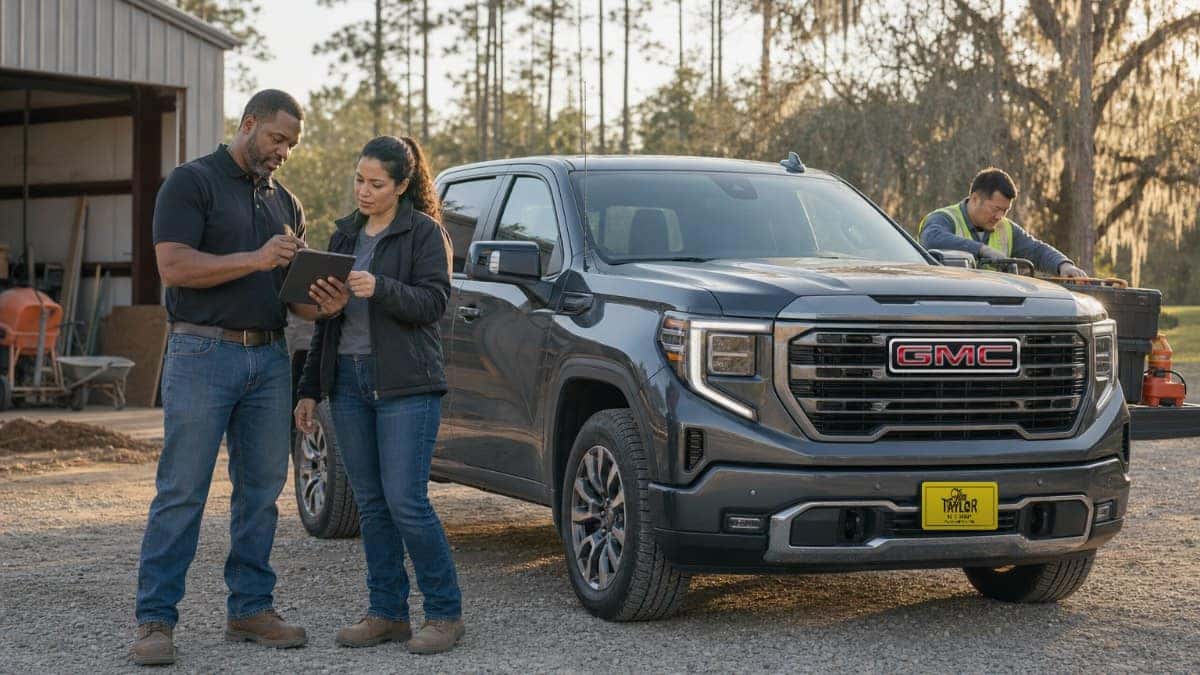
If your business needs a truck, SUV or van, buying it and putting it to work before December 31, 2026 may let you deduct much of its cost on your 2026 taxes. Here’s how Section 179 and bonus depreciation generally apply to GMC vehicles, in plain language, so you can have a better conversation with your tax advisor.
Limits are for tax years beginning in 2026, from IRS Rev. Proc. 2025-32.
What is Section 179, in plain English?
Normally a business vehicle is written off a little at a time over several years. Section 179 of the tax code lets a business elect to deduct the cost of qualifying equipment, including some vehicles, in the year it’s placed in service instead. Bonus depreciation is a separate rule that can cover what Section 179 doesn’t, and the One Big Beautiful Bill made 100% bonus depreciation permanent for qualifying property acquired after January 19, 2025.
The rules that matter most for vehicles are weight, how much you use it for business, and when it goes into service.
Which GMC vehicles are heavy enough?
The generous vehicle rules apply to trucks, SUVs and vans with a gross vehicle weight rating (GVWR) over 6,000 pounds. Lighter passenger vehicles fall under much lower annual depreciation caps. These GMC models are built above that line:
Sierra 1500
Full-size pickup with a GVWR above 6,000 pounds. Pickups with a bed of at least six feet are generally not subject to the SUV cap; a short-bed truck may be, so confirm the bed length.
Sierra 2500HD & 3500HD
Heavy-duty pickups for towing and hauling, well above the 6,000-pound line.
Yukon & Yukon XL
Three-row SUVs with a GVWR above 6,000 pounds. As SUVs, they’re subject to the $32,000 Section 179 cap, though bonus depreciation may cover more.
Savana Cargo
Full-size cargo van. Fully enclosed cargo vans without seating behind the driver are generally not treated as SUVs under the cap.
GVWR varies by configuration. Check the specific vehicle’s window sticker or door-jamb label, and confirm with your tax advisor how it’s treated.
Four things to check before December 31
1. Business use over 50%
The vehicle generally has to be used more than half the time for business, and the deduction is limited to the business-use share. Keep a mileage log.
2. In service by year-end
Buying it isn’t enough. It needs to be delivered and put to work in your business by December 31, 2026 to count for 2026.
3. Your business income
The Section 179 deduction can’t exceed your taxable business income for the year. Bonus depreciation works differently, which is one reason to plan with your advisor.
4. Financing still counts
Qualifying vehicles can generally be financed and still be deducted in the year they’re placed in service. Ask about rates when you shop.
We’re a dealership, not a tax advisor
This page is general information about how Section 179 and bonus depreciation work, not tax advice. Your deduction depends on your business, your other purchases and your income. Talk with your CPA or tax advisor before you buy, then bring us the vehicle requirements and we’ll help you find the right truck, SUV or van.
Buying more than one?
Jim Taylor Buick GMC is a certified woman-owned business through WBENC, and we work with local businesses on fleet and multi-vehicle purchases.
Get pre-approved
Start a business vehicle purchase with a credit application so you know where you stand before year-end.
Get your business vehicle in service before year-end
Call Jim Taylor Buick GMC in Monroe to check what’s in stock and plan delivery before December 31. Open Saturdays, closed Sundays.
Frequently asked questions
What is the Section 179 limit for 2026?
For tax years beginning in 2026, the IRS set the Section 179 deduction limit at $2,560,000, reduced dollar for dollar once total qualifying purchases exceed $4,090,000. The Section 179 cap for a heavy SUV is $32,000.
Does a GMC Sierra qualify for Section 179?
GMC Sierra pickups have a gross vehicle weight rating above 6,000 pounds, which is the line for the more generous vehicle rules. Whether and how much you can deduct depends on business use, bed length, when it’s placed in service and your tax situation, so confirm with your tax advisor.
When does the vehicle have to be in service?
To count for the 2026 tax year, the vehicle generally needs to be purchased and placed in service in your business by December 31, 2026.
Can I finance a vehicle and still use Section 179?
Generally, yes. A financed vehicle that qualifies can be deducted in the year it’s placed in service. Your tax advisor can confirm how it applies to your business.